Stressed at work? Blame leaders, not tools
Widespread workplace stress among knowledge workers isn't caused by technology, but rather by poor leadership and inflexible working models. Research shows a strong correlation between flexible work schedules and reduced stress, better work-life balance, and increased productivity. The core problem is the "always-on" culture fueled by excessive meetings and a lack of employee control over their time, effectively treating employees as "human routers." The article provides solutions focusing on leadership's role in creating flexible work structures, such as establishing core team hours, flexible individual work time, and clear communication protocols, ultimately advocating for a fundamental shift in how work is organized to prioritize employee well-being and productivity.
- Workplace Stress and Always-on Cultures
- Time Management and Boundaries for Individuals and Teams
- Core Collaboration Hours Team Agreements
- Importance of Time Management in Diverse Teams
- Bursty Work and Deep Work in Distributed Teams
- Adopting Asynchronous Work Habits
- Building Team Norms for Calendar Management
- Effective Work-Life Management Practices
Download this free asset!
Related content
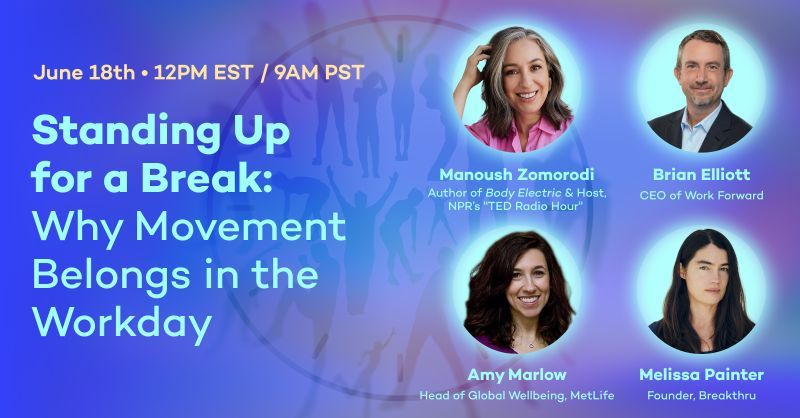
Standing Up for a Break: Why Movement Belongs in the Workday
Bank Executives’ AI Talk Takes Frightening Turn for Workers

The Mandate Episode: Why Return to Work is a Losing Fight