
Hybrid Work Is Not the Problem — Poor Leadership Is
Brian Elliott along with Standford's Nick Bloom and London School of Economic's Prothwiraj (Raj) Choudhury argue that hybrid work failure stems from poor leadership, not the work model itself. CEOs often return from peer gatherings fixated on return-to-office mandates, treating hybrid work as a policy problem rather than a leadership challenge. Research shows hybrid work actually improves productivity, reduces attrition, and increases engagement when implemented well. The compliance gap between mandated office days and actual attendance signals that managers prioritize results over rule-following. Successful organizations share four capabilities: understanding their talent advantage, measuring results instead of presence, empowering teams to set their own collaboration patterns, and investing in infrastructure, resources, and skill development. Companies like Atlassian, Airbnb, and Allstate demonstrate that flexible work succeeds when aligned with business strategy and team needs, not uniform policies
- Research on hybrid and remote work
- Case studies on workplace flexibility
- Gendered impact of return to office
- Leadership
- Psychological impact of mandates
Download this free asset!
Related content
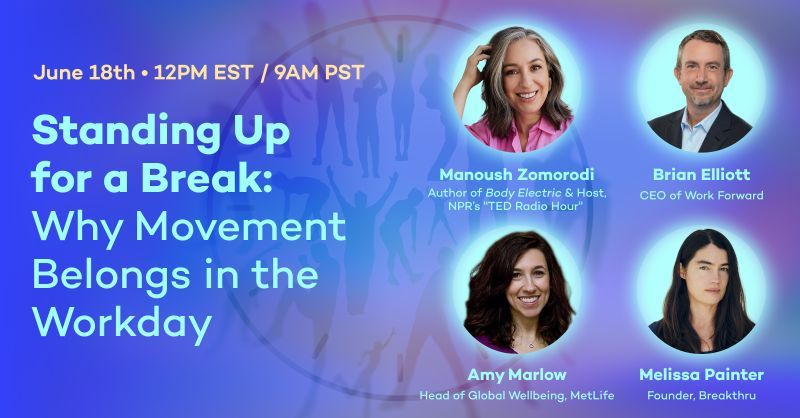
Standing Up for a Break: Why Movement Belongs in the Workday
Bank Executives’ AI Talk Takes Frightening Turn for Workers

The Mandate Episode: Why Return to Work is a Losing Fight